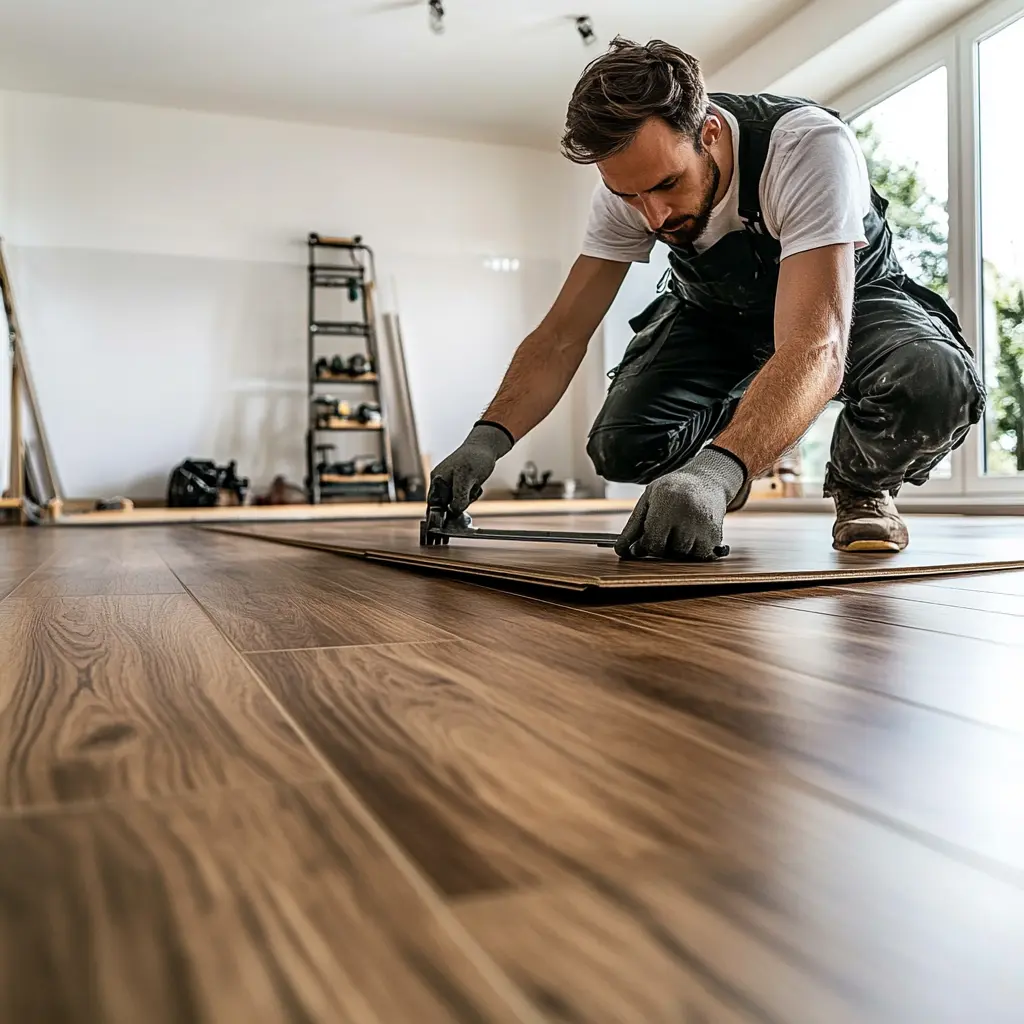
20 Recommended Reasons For Choosing Floor Installation
Wiki Article
The Importance Of Repairing Subfloors Prior To Any Floor Installation
Subfloor repair is the unglamorous aspect of flooring installation isn't talked about by anyone and that nobody wants to shell out money for. The subfloor repair doesn't display when the job is finished and it's not very attractive to photograph and it adds costs to the homeowner's budget. Homeowners have typically set their minds to certain numbers. However, it is, without question, the single most important factor in whether the floor is functioning as it should or begins going downhill within the first a year. The housing stock of Philadelphia includes rowhomes, twins, older colonials throughout Bucks County, Delaware County ranches that have crawlspaces are particularly susceptible of subfloor issues which are not discovered until the new floor is laid down and exposes them. The following are the things that homeowners should know prior to installation.
1. The Subfloor Is What Your New Floor is actually attached to.
It's a simple concept, but it gets lost in the excitement when choosing materials. Whether you're installing nail-down hardwood or glue-down LVP floating laminate and porcelain tiles, your final appearance is only as secure as the foundation beneath it. A subfloor with soft edges, spots of flex moisture damage or level variations will not go away once the new flooring covers it -they communicate every issue upwards. Usually, it takes months. The flooring installers licensed by the state evaluate the subfloor prior anything else, precisely for this reason.
2. The Older Homes in Philadelphia Have Subfloor conditions that surprise contractors.
Homes constructed prior to 1960 in Philadelphia, South Jersey, and the surrounding counties often have subfloors that are diagonal rather than plywood -- a construction method that was widespread at the time but is a real hindrance for contemporary flooring installation. Board floors are more prone to move, and also with gaps between planks, and usually require an overlay of plywood prior to installing tile or hardwood is possible. Contractors who don't mention this during an estimate either haven't done their research properly or are contemplating working around it in ways that cause problems later.
3. Soft Spots can be a warning Signal, Not an Unpleasant
A soft spot in the subfloor -- an area that flexes slightly when you walk across it - typically indicates that there is a problem with moisture, rot or delamination of the floor material. The installation of flooring over the area isn't going to fix the issue, it simply hides it temporarily while the damage persists beneath. If you are installing hardwood floors at Philadelphia specifically, the soft spots pose an immediate threat to the nail or staple hold that holds the floor attached. Floors that start lifting, squeaking, or separating from the subfloor often will be traced back to a weak area that wasn't dealt with prior to installation.
4. The variation in level affects every flooring Type Differently
Most flooring producers specify a maximum allowable variation in flatness of the subfloor -- typically 3/16 of a millimeter over 10 feet. Tolerating this level of tolerance affects different materials in different ways. Tile flooring is not the most resistant to damage: high spots split tiles, low spots crack grout lines as well as an uneven subfloor with large-format porcelain provides the guarantee of callbacks. LVP handles minor variations better than most, yet significant gaps or dips continue to show through with time. Hardwood conveys unevenness in the form of hollow spots, and even movement. Subfloor leveling compounds or targeted grinding are the solutions that aren't addressing the issue.
5. The moisture in the Subfloor is a distinct issue Different from Household Humidity
There are two distinct problems each requiring a different solution. The level of humidity inside the house affects how wood flooring expands with the seasons. Subfloor moisture -and vapor transmission via concrete and wicking across old board subfloors, or the moisture from a leak directly attack the bonds of adhesive, causing floating floors to buckle and increases the likelihood of mold growth under the floor. The proper measurement of moisture prior to floor installation at Philadelphia homes is a standard procedure. In cases where this isn't completed the contractor assumes rather than knowing what they're working with.
6. Concrete Slabs Must Be Tested for Moisture before gluing-down installation
Glue-down hardwood and LVP installation over concrete is common among Delaware County and South Jersey homes built on slabs. But what's not usually explained to homeowners is that concrete slabs release moisture vapour regularly, and the quantity is critical to the efficiency of adhesives. If a slab passes examination by visual inspection is still unable to pass a calcium chloride test or a relative humidity test. Flooring adhesive placed over an area with a high emitting vapors will break its bond -- in some cases within an entire year. Then, the floor may start to shift, bubble, or separate.
7. Subfloor Repair Costs can be difficult To Estimate without looking
That's why professional flooring contractors who are reputable won't offer the price in a definitive way over the phone. Subfloor repair in Philadelphia could range from a basic patch of wood for $200 up to a few dollars per square foot across the entire area, with extensive damage from moisture. The only way you can tell is to visit the site and make a correct assessment. homeowners who press contractors to provide an agreed-upon amount before anyone has examined the subfloor are creating an environment where the contractor is forced to build in a large budget or makes cuts when problems do arise in mid-project.
8. Tile Installation is the most Ristaking Test of the Subfloor's Integrity
Ceramic tile and porcelain flooring have no flexibility -- they transfer stress directly onto the bond underneath them. A subfloor with meaningful flex will crack tile and grout regardless of which way the tile was set. The basic requirement for installing tile for subfloors is to have a structure that is stiff enough to satisfy standard of deflection that engineers refer to as L/360, which means a 10-foot length will only deflect 1/3 of an inch when under stress. Older Philadelphia homes frequently fall short with no reinforcement. The problems with bathroom tile installation in older homes are nearly all a subfloor sturdiness issue hidden behind a wall.
9. Affecting the subfloor now protects from the Refinishing Value that will come later
One of the primary advantages in the long run is its ability to smooth and refinish it numerous occasions over time. This advantage is lost if the subfloor beneath it gets damaged. Refinishing and sanding floors is a major undertaking in Philadelphia requires a stable well-fastened floorone that won't move or flex beneath the equipment used for sanding. Subfloor issues that weren't a problem when it was installed can become a major issue when refinishing is tried decades later. Making sure the floor is properly repaired from early stages will help ensure the floor is safe for any repair the floor might need.
10. The Contractors Who Identify Subfloor issues are the ones worth hiring
The idea may seem oddpeople don't want to hear that their work has just become more expensive prior to the time it began. A flooring professional who investigates your space, finds subfloor problems and includes repair in their scope is doing precisely what a professional ought to do. The ones who don't mention the issue, and quote at a lower price and begin to lay flooring over a compromised subfloor are the ones who receive negative reviews a few months after. When you're getting flooring estimates in Philadelphia and the thoroughness of the evaluation before a quote is made gives you all the information you require to know about how the flooring installation itself will proceed. See the top
LVP flooring Philadelphia PA for blog recommendations including waterproof flooring installation Philadelphia, LVP flooring Philadelphia PA, flooring contractors Bucks County, porcelain tile installation Philadelphia, vinyl plank flooring Philadelphia PA, flooring contractors Bucks County, laminate flooring installation Philadelphia, flooring contractors Philadelphia PA, flooring contractors Bucks County, engineered hardwood installation Philadelphia and more.
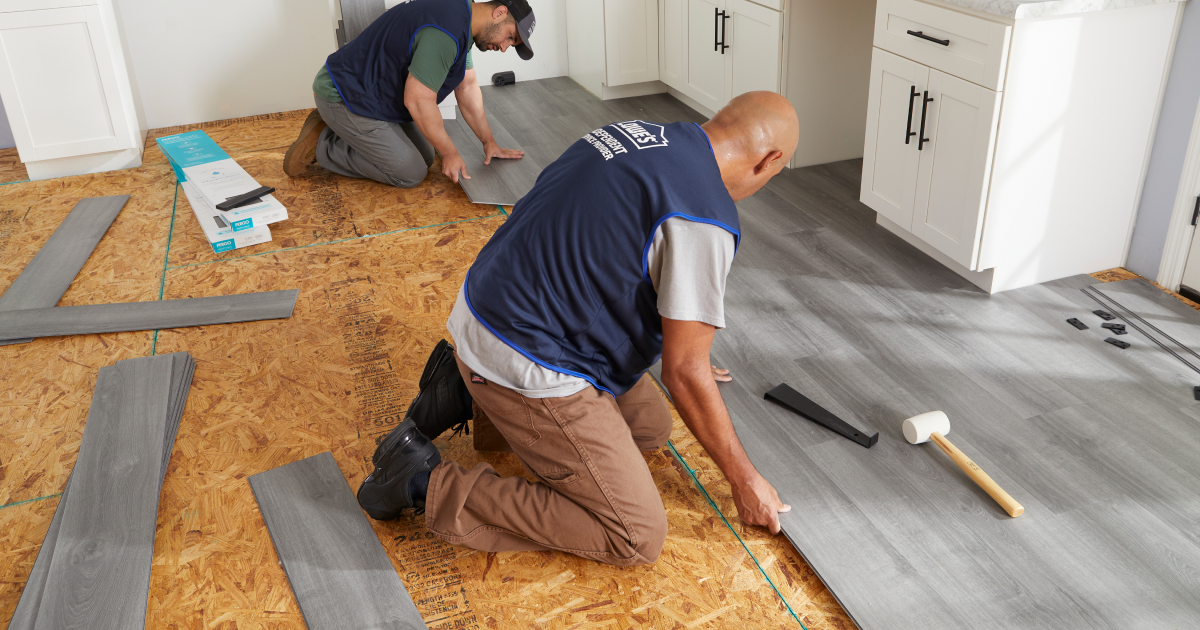
How to Find Licensed Flooring Contractors In Philadelphia
Finding a flooring contractor in Philadelphia is straightforward. Locating a certified, insured reliable one who can remain in contact for a minimum of six months after completion in case something goes wrong - that's the portion that requires real effort. The Philadelphia metro area has a broad range of flooring professionals: established companies with decades of local work legitimate independent operators with expertise, and many unlicensed establishments that compete for the price alone, only to disappear when difficulties arise. Bucks County, Montgomery County, Delaware County, and South Jersey all have their own local contractor ecosystems with the same quality. Learn how to navigate them without having to go through the process.
1. Find out what Licensing actually means in Pennsylvania
Pennsylvania requires home improvement contractors -- including flooring installers to be registered with the Attorney General's Office under the Home Improvement Consumer Protection Act. This is distinct from the trade license. It's the legal minimum, not a sign of superior quality. Any flooring contractor operating within Philadelphia and the surrounding counties that do not have being registered is already operating in violation of law before they've even touched your flooring. You can verify registration status through the Pennsylvania Attorney General's website prior to when the contractor enters your home.
2. Insurance is non-negotiable. It's also easy to confirm
General liability insurance is a protection for your home from damage if a contractor has a problem with it during the construction. Workers' compensation coverage protects you from liability when someone is injured on your property when working. All of them must be current, and can be verified. Ask any flooring contractor you're considering hiring for proof of insurance, not their declaration that they have it, an actual document with an insurer's name and number. A reputable flooring company will check the document often and won't be hesitant to ask for it. Contractors who refuse or hold back with this request will be telling you something significant.
3. Local Reviews Can Tell You More than Star Ratings
A flooring company with an 4.8 mean and 200 user reviews on Google can be more helpful than one that has ratings of 5.0 plus 11 reviews. Look through the review's text as well as the stars. Look specifically for mentions of how the problems were resolvedevery contractor will have jobs that aren't perfect, and those who are worth hiring are the ones who came in, communicated, as well as rectified the issue. Philadelphia floor reviews that focus on specific areas, flooring types and results from projects are more trustworthy than generic five-star reviews. Cross-reference across Google, Yelp, and the BBB to see the full picture.
4. Be Specific about Experiences with Your Floor Sort
Flooring is not a specialized trade. Someone who's installed LVP in a home with 500 rooms may lack experience in nail-down solid hardwood, glue-down engineered wood over concrete or large-format porcelain tile. If you're requesting estimates for hardwood flooring in Philadelphia be sure to inquire as to what similar projects that they've been able to complete in the past year. Also, ask if you can connect with a previous reference. Contractors who are confident in their particular know-how are most likely to be able to answer the question. The ones who evade the question with vague assurances need to be examined more closely.
5. The free estimate visit reveals More Than the Quote
Any reputable flooring company in Philadelphia should provide a no-cost estimate. This includes actually going to your house. The level of their visit whether they thoroughly go over the floor, whether they inquire about past moisture and how well they describe their scope -- tells you more about their company than the number they write down as they leave. An expert who spends 45 minutes looking over your space and asks you detailed questions is distinct from one who enters, measures the room, and hands you a number in ten minutes without looking beyond the floor.
6. Get Three Itemized Quotes Before Making a decision about anything
Three quotes is the bare minimum for any flooring installation job in Philadelphia in a size that is meaningful. But more important than that total is what each quote actually includes: subfloor prep removal and disposal of materials in the form of transition strips, baseboards, furniture moving, and the cleanup after installation. Quotes that only provide a single cost per square foot without any further breakdown encourage you to discover these items later, in the middle of the job, when you have less influence. The itemized quotes allow you to compare firms on equal terms rather than comparing one contractor's total cost with another's floor number.
7. Neighborhood Reputation is Still a Real Value in Philadelphia
The Philadelphia metro area -- including city suburbs, inner-ring suburbs and counties that extend to Bucks and Delaware It is driven by relationships through ways that are relevant when it comes to trades. A simple survey of neighbors, block clubs, or local Facebook groups who they've relied on for flooring for their homes answers that aren't matched by search engines. surfaces. A flooring contractor who has done a fantastic job on your street or in your township has a reputation which is protected in a fashion other contractors in the region is not. This referral network, which is informal, is underused and genuinely valuable.
8. Keep an eye out for the patterns unlicensed Operators Copy
Certain patterns of behavior are attributed to contractors who have cut corners regarding licensing and insurance. Cash-only payment requirements. Refusal to offer a written contract. Quotes communicated verbally with no need to be in writing. There is no physical address for business or even a number for a cell phone. It's time to make a fast decision before the price goes up. Subcontractors that show up on the install day, who you've never worked with and weren't mentioned in the estimate. None of them is an absolute fact, but there are two or more that appear together are enough to make you reconsider your list with vetted flooring contractors.
9. Cross-County Lookups Increase Your Options Without sacrificing Quality
Some of the best flooring installers servicing Philadelphia as a whole are based within Montgomery County, Delaware County, as well as South Jersey and work across the city regularly. Limiting your search to Philadelphia-based companies can be limiting your choices. What is important is their experience regarding the city's unique housing stock (rowhomes and older subfloor conditions, typical difficulties with moisture -- not the location of the city line they're on. The Bucks County flooring contractor with strong Philadelphia testimonials is worth calling.
10. A written contract safeguards both Parties and Defining the Job
Before beginning any work you must have a written agreement that lists the flooring material's company name and brand along with the procedure for installation, the area of subfloor preparation, the deadline for payment, the project timeframe, and what happens in the event of hidden or unnoticed problems are discovered after the project has been completed. Certified flooring contractors utilize contracts to ensure that they follow standard practice. The contract doesn't signal to show distrust; it's the document that helps keep a good working relationship intact whenever something unexpected arises in the time between the first day in the installation process and walkthrough. Take a look at the best Take a look at the top vinyl plank flooring Philadelphia PA for blog advice including luxury vinyl plank installation Philadelphia, flooring installers South Jersey, nail down hardwood flooring Philadelphia, floor installation Delaware County PA, subfloor repair Philadelphia, nail down hardwood flooring Philadelphia, flooring contractors Delaware County PA, LVP flooring installation Philadelphia, flooring contractors Montgomery County PA, LVP flooring Philadelphia PA and more.